Source Retractable Folding Boat Cleat for Yacht, Boat, Dock
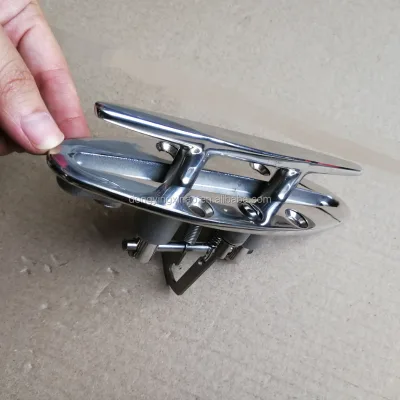
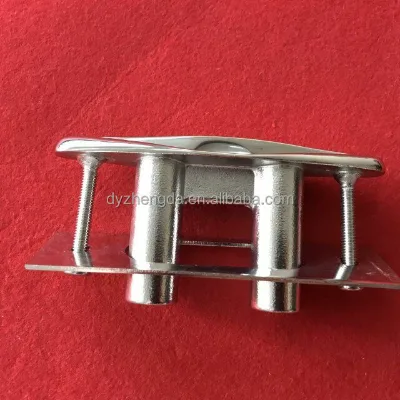
Find 30 retractable folding boat cleat options with stainless steel construction and polished finishes. Buyers can compare sizes from 5 to 8 inches, weights, and customization services like OEM and ODM for marine hardware needs.
Key considerations
Products List






Comprehensive Sourcing Guide
Strategic Sourcing Guide for Retractable Folding Boat Cleats
Navigating the global market for marine hardware requires a precise understanding of product specifications, material integrity, and supply chain reliability. For buyers seeking retractable folding boat cleats, the procurement process involves balancing technical performance with cost efficiency. These fittings are critical for securing vessels, and their ability to fold down when not in use makes them particularly valuable for modern yachts and boats where deck space and safety are paramount. This guide synthesizes available market data to provide a structured approach for sourcing these components effectively, ensuring that procurement decisions are grounded in verified facts rather than speculative claims.
Technical Specifications and Material Integrity
The foundation of a reliable sourcing strategy lies in a rigorous examination of technical specifications. The retractable folding boat cleat is not a monolithic product; it exists in various configurations, sizes, and material grades. Based on observed market data, the primary material composition for these units is stainless steel, specifically identified as AISI 316 in several listings. This grade is essential for marine environments due to its superior resistance to corrosion from saltwater. Buyers must verify that the "Stainless Steel" designation is backed by specific alloy certifications, as generic terms can sometimes mask lower-grade alternatives.
Size specifications vary significantly to accommodate different vessel requirements. Observed models include dimensions such as 5 inches, 6 inches, 8 inches, and a range of 4.5 to 8 inches. Specific model numbers like "SH007-007-6A" and "H1411" indicate distinct manufacturing lines, while generic descriptions like "Folding cleat" or "Boat Cleat" suggest broader product categories. The weight of these units is a critical metric for installation and load calculations; observed weights range from 0.225 kg to 0.435 kg depending on the size and construction.
The manufacturing process plays a vital role in the final product's durability. High-confidence data points to "Precision Casting" as a primary technique, often combined with "Welding" for structural reinforcement. The surface treatment is equally important, with "Mirror Polishing" and "Polished" finishes being standard observations. This finish not only enhances aesthetics but also reduces friction and prevents the accumulation of debris. Buyers should confirm that the polishing process is consistent across the batch, as uneven surfaces can indicate quality control issues.
Compliance, Certification, and Standard Verification
In the marine industry, compliance is not merely a formality but a safety imperative. Sourcing guides must emphasize the verification of international standards. The observed market data references a wide array of standards, including ISO, JIS, DIN, GB, ASTM, and ANSI. These acronyms represent specific technical requirements for dimensions, tensile strength, and corrosion resistance. For instance, while some listings cite "6 inch" or "5 inch" as a standard, others reference "Stainless Steel" as a standard classification, highlighting the need for buyers to cross-reference these terms with actual technical datasheets.
Certification checks are a critical step in the vetting process. The data indicates the presence of CE and ISO 9001 certifications in the supply chain. These certifications suggest that the manufacturer adheres to specific quality management systems and European safety directives. However, buyers must treat these as observations of specific suppliers rather than universal guarantees for all listed products. It is essential to request valid, up-to-date certificates for the specific batch being purchased.
Furthermore, the inspection process is a key indicator of quality assurance. Observed data mentions the use of "Calipers" for inspection, which implies a focus on dimensional accuracy. Buyers should inquire about the full scope of inspection protocols, including tensile testing and salt spray testing, to ensure the cleats meet the rigorous demands of marine environments. The "New" condition of the products is a standard expectation, but verification of the "Condition" field in supplier documentation ensures that no refurbished or damaged goods are inadvertently sourced.
Cost Drivers and Pricing Dynamics
Understanding the cost structure of retractable folding boat cleats is essential for budgeting and negotiation. The observed price range in the market spans from $1.50 to $99.00 USD. This wide variance is driven by several factors, including material grade, size, surface finish quality, and the complexity of the folding mechanism. A unit priced at the lower end of the spectrum may utilize standard stainless steel with a basic polish, while a unit at the higher end likely features premium AISI 316 with mirror polishing and enhanced structural integrity.
Minimum Order Quantity (MOQ) is another significant cost driver. The observed MOQ range is from 1 piece to 1000 pieces. This flexibility allows buyers to test the market with small orders or secure bulk pricing for large fleet installations. However, buyers should be aware that lower MOQs often come with a higher per-unit cost due to setup and handling fees. Conversely, larger orders may unlock volume discounts but require significant capital outlay and storage capacity.
Other cost factors include packaging and logistics. Observed packaging methods range from "Bubble Bag+Carton+Pallet" to "Box Wooden Packing" and "Plywood Box." The choice of packaging impacts the final landed cost, as heavier or more protective packaging increases shipping weight and volume. Additionally, the origin of the product, primarily noted as "Shandong" and "Ningbo" in China, influences freight costs and lead times. Buyers should calculate the total cost of ownership, including duties and insurance, rather than focusing solely on the unit price.
Typical Applications and Operational Context
Retractable folding boat cleats are designed for specific operational contexts where deck space and safety are critical. The primary application is for "Yacht" and "Boat" hardware fittings. These cleats are particularly useful on vessels where protruding hardware poses a tripping hazard or interferes with movement. The ability to fold down ensures a smooth deck surface when the cleat is not in use, enhancing safety for crew and passengers.
The "Purpose for" field in the data indicates that these cleats are suitable for "Replace/Repair" scenarios as well as new installations. This versatility makes them a valuable component for fleet maintenance programs. Whether used for mooring, docking, or securing lines during transit, the cleat must withstand dynamic loads. The "Handle" being polished and the "Craft" involving welding suggest a design focused on both aesthetics and structural strength.
Buyers should consider the specific environment in which the cleats will be used. Saltwater exposure, UV radiation, and mechanical stress are the primary environmental factors. The "AISI 316" material is specifically chosen to resist these conditions, but the longevity of the product also depends on the quality of the folding mechanism. A poorly engineered hinge can lead to premature failure, rendering the cleat useless regardless of the material quality.
Supplier Evaluation and Capacity Assessment
Selecting the right supplier is as important as selecting the right product. The observed data highlights suppliers with significant production capacity, with one listing noting a capacity of "100,000 PCS One Month." This indicates a robust manufacturing base capable of handling large orders. However, capacity alone does not guarantee quality. Buyers must evaluate the supplier's track record, customization capabilities, and service offerings.
Customization is a key differentiator in this market. The data confirms that "Customization" and "Customized" options are available, along with "OEM ODM" services. This allows buyers to tailor the cleats to specific vessel requirements, such as unique mounting configurations or branding. The "Service" attribute suggests that suppliers are willing to engage in collaborative design and manufacturing processes.
When evaluating suppliers, buyers should verify the "prod_origin" details. While "Shandong" and "Ningbo" are common origins, the consistency of quality across different facilities can vary. It is advisable to request factory audits or third-party inspection reports to ensure that the production facilities meet the required standards. Additionally, the "Lead Time" is a critical factor; observed times range from "Within 7 Days After Payment" to "50 Days." Buyers must align these timelines with their project schedules to avoid delays.
Quality Control and Long-Term Procurement Considerations
Quality control is the final line of defense against product failure. The observed use of "Calipers" for inspection is a positive sign, but buyers should demand a comprehensive quality control plan. This plan should include checks for dimensional accuracy, surface finish consistency, and mechanical strength. The "Standard" field lists various international standards, but buyers must ensure that the specific product being purchased complies with the relevant standard for their region and application.
Long-term procurement considerations involve building a sustainable relationship with suppliers. Factors such as "prod_packing" consistency, "Weight" accuracy, and "Model" availability are crucial for maintaining inventory stability. The "Model Number" variations, such as "Folding cleats 5 inch" versus "SH007-007-6A," suggest that buyers need to maintain clear communication with suppliers to ensure they receive the exact specifications required.
Furthermore, the "Condition" of the product must remain "New" throughout the supply chain. Any signs of damage or wear during transit can compromise the integrity of the cleat. Buyers should establish clear acceptance criteria and inspection protocols upon delivery. By focusing on these long-term factors, buyers can ensure a steady supply of high-quality retractable folding boat cleats that meet the demanding standards of the marine industry.
Comparative Analysis of Product Attributes
To facilitate decision-making, the following table summarizes key attributes observed in the market for retractable folding boat cleats. This comparison helps buyers quickly identify the range of options available and the specific features to prioritize.
| Attribute | Observed Range / Options | Key Considerations for Buyers |
|---|---|---|
| Material | Steel, AISI 316, Stainless Steel | Verify specific alloy grade for corrosion resistance. |
| Size | 4.5", 5", 6", 8", 5"6"8" | Match size to vessel load requirements and deck space. |
| Surface Finish | Polished, Mirror Polishing | Ensure finish is consistent to prevent debris accumulation. |
| MOQ | 1 PC to 1000 | Balance inventory needs with per-unit cost efficiency. |
| Lead Time | Within 7 Days to 50 Days | Align with project timelines and urgency. |
| Origin | Shandong, Ningbo, China | Consider logistics costs and supplier proximity. |
| Certification | CE, ISO 9001 | Request valid certificates for specific batches. |
| Packing | Box, Wooden Box, Plywood Box, Bubble Bag | Assess packaging for damage protection and shipping costs. |
| Weight | 0.225 kg to 0.435 kg | Verify weight for load calculations and handling. |
By systematically evaluating these attributes, buyers can make informed decisions that align with their specific procurement goals. The retractable folding boat cleat market offers a diverse range of options, but success depends on rigorous verification of specifications, standards, and supplier capabilities. Through careful analysis and adherence to the guidelines outlined above, buyers can secure high-quality marine hardware that ensures safety and performance on the water.
FAQs
What material grades are used for retractable folding boat cleats?
Retractable folding boat cleats are primarily manufactured using stainless steel, specifically AISI 316. This grade is selected for its superior resistance to saltwater corrosion, ensuring durability in marine environments where standard steel would fail quickly.
How can I verify the certification of a supplier?
Buyers should request valid CE and ISO 9001 certificates for the specific batch being purchased. These certifications indicate adherence to quality management systems and European safety directives, though they are observations of specific suppliers rather than universal guarantees.
Which sizes are available for these marine hardware fittings?
Available sizes include 5 inches, 6 inches, 8 inches, and ranges like 4.5 to 8 inches. Specific model numbers like SH007-007-6A correspond to distinct manufacturing lines, so buyers must match the size to their vessel's load requirements.
Can suppliers offer customization and OEM services?
Yes, customization and OEM ODM services are available for these products. Buyers can tailor cleats to specific vessel requirements, such as unique mounting configurations, by engaging in collaborative design and manufacturing processes with the supplier.
What is the typical lead time for delivery?
Lead times vary significantly, ranging from within 7 days after payment to 50 days. Buyers must align these timelines with their project schedules to avoid delays, as the specific duration depends on the supplier's current capacity and order volume.
How is the product surface treated for durability?
The surface treatment typically involves polishing or mirror polishing to enhance aesthetics and reduce friction. This finish prevents debris accumulation, but buyers should confirm the polishing process is consistent across the batch to ensure quality control.